
In today’s competitive world, parents are constantly searching for ways to help their children learn faster, think smarter, and perform better academically. While traditional education focuses mainly on school subjects, many parents are now turning to brain development programs that enhance cognitive skills from an early age.
One of the most effective and widely recognized programs is Abacus Training.
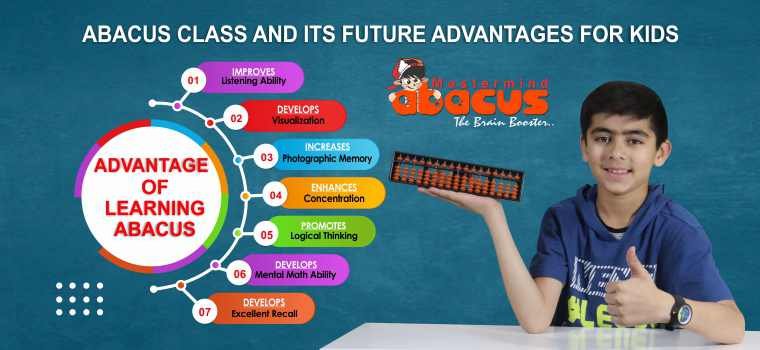
Although many people believe that Abacus is only used for mathematics, its benefits extend far beyond calculations. Abacus helps children improve memory, concentration, visualization, logical thinking, confidence, and overall brain development.
Children who learn Abacus often develop stronger learning abilities that support them throughout their academic journey and beyond.
In this article, we will explore the major benefits of Abacus for kids and explain why it has become one of the most popular brain development programs worldwide Benefits of Abacus for Kids.
What Is an Abacus?
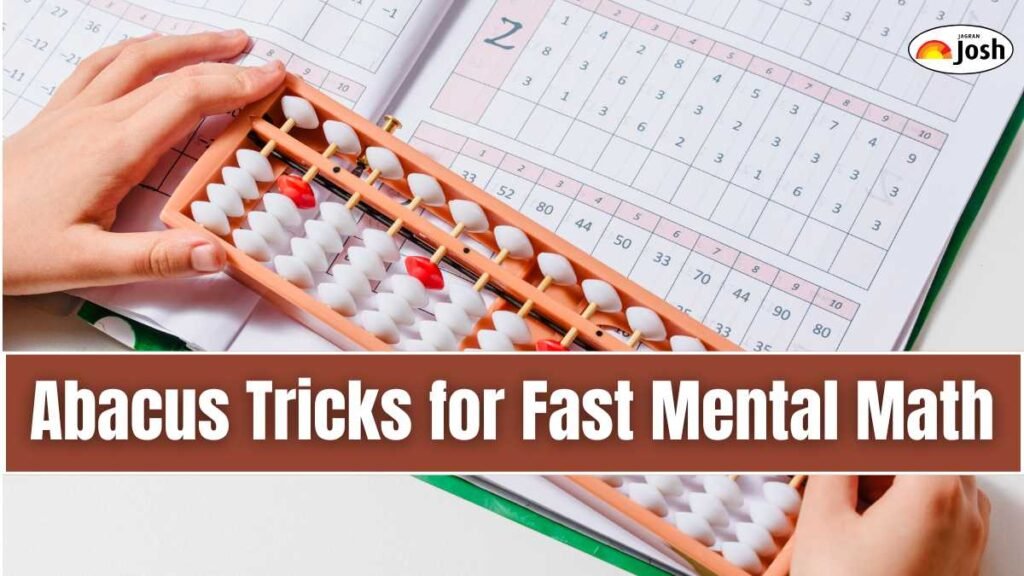
An Abacus is a mathematical tool made up of beads arranged on rods. It has been used for centuries to perform arithmetic calculations.
Initially, children learn calculations using a physical Abacus. As they progress, they begin visualizing the Abacus mentally and solving problems without touching the actual device.
This advanced stage is called Mental Abacus, where children perform calculations entirely in their minds.
This process stimulates multiple areas of the brain and contributes to overall cognitive development.
Why Is Abacus Important for Children?
The early years of childhood are critical for brain development.
During this period, the brain forms millions of neural connections that influence:
- Learning ability
- Memory
- Concentration
- Problem-solving skills
- Creativity
- Academic performance
Abacus training provides structured mental exercises that strengthen these cognitive abilities Benefits of Abacus for Kids.
Top 15 Benefits of Abacus for Kids
1. Improves Concentration
One of the biggest benefits of Abacus training is improved concentration.
During calculations, children must:
- Focus on numbers
- Visualize bead movements
- Track calculations mentally
This continuous mental engagement trains the brain to stay focused for longer periods.
Result
Children become more attentive in classrooms and during study sessions.
2. Enhances Memory Power
Abacus significantly improves both short-term and long-term memory.
Children must remember:
- Numbers
- Bead positions
- Calculation steps
This strengthens working memory and information retention.
Benefits
✔ Better recall during exams
✔ Improved learning ability
✔ Stronger academic performance
3. Develops Visualization Skills
Visualization is a core component of Abacus training.
As children advance, they imagine the Abacus in their minds and move beads mentally.
Benefits
- Enhanced imagination
- Better memory retention
- Improved problem-solving abilities
Visualization also supports learning in subjects such as science and mathematics.
4. Boosts Mental Math Skills
Abacus helps children perform calculations mentally without using calculators.
They become proficient in:
- Addition
- Subtraction
- Multiplication
- Division
Benefits
✔ Faster calculations
✔ Greater numerical confidence
✔ Stronger mathematical foundations
5. Activates Both Sides of the Brain
Traditional education often focuses heavily on left-brain functions such as logic and analysis.
Abacus activates both hemispheres.
Left Brain
- Logic
- Mathematics
- Reasoning
Right Brain
- Creativity
- Visualization
- Imagination
Balanced brain development improves overall cognitive performance Benefits of Abacus for Kids.
6. Increases Attention Span
Many children struggle to focus for long periods.
Abacus training gradually increases attention span through structured practice.
Benefits
- Better study habits
- Improved classroom participation
- Enhanced productivity
7. Improves Academic Performance
Children with stronger memory and concentration often perform better academically.
Abacus supports learning across subjects by improving:
- Focus
- Memory
- Information processing
As a result, children often achieve better grades and increased confidence Benefits of Abacus for Kids.
8. Builds Confidence
Success in Abacus training helps children believe in their abilities.
As they solve calculations quickly and accurately, they gain confidence in their learning skills.
Benefits
✔ Higher self-esteem
✔ Positive attitude toward learning
✔ Greater willingness to take on challenges
9. Enhances Listening Skills
Many Abacus exercises involve listening to numbers and processing them mentally.
This strengthens:
- Listening ability
- Attention to instructions
- Auditory memory
These skills are valuable both in school and everyday life Benefits of Abacus for Kids.
10. Develops Problem-Solving Skills
Abacus encourages children to think critically and solve challenges independently.
Benefits
- Logical reasoning
- Decision-making ability
- Analytical thinking
Problem-solving skills developed through Abacus often benefit children throughout their lives.
11. Improves Speed and Accuracy
Children learn to calculate rapidly while maintaining accuracy.
This combination is particularly useful during exams and competitive tests.
Benefits
✔ Faster calculations
✔ Reduced mistakes
✔ Improved performance under pressure
12. Strengthens Cognitive Development
Abacus training stimulates multiple cognitive functions simultaneously.
These include:
- Memory
- Concentration
- Visualization
- Reasoning
- Processing speed
This comprehensive brain workout supports overall mental development Benefits of Abacus for Kids
13. Reduces Dependence on Calculators
Many students become overly reliant on calculators and digital devices.
Abacus develops strong mental calculation abilities.
Benefits
- Independent thinking
- Better numerical understanding
- Increased confidence in mathematics
14. Encourages Discipline and Patience
Abacus requires regular practice and dedication.
Children learn:
- Consistency
- Patience
- Goal setting
These qualities contribute to success in academics and life.
15. Supports Long-Term Brain Development
The cognitive benefits of Abacus often continue long after training ends.
Children develop skills that help them:
- Learn more efficiently
- Solve problems effectively
- Adapt to new challenges
Abacus provides a strong foundation for lifelong learning Benefits of Abacus for Kids.
Scientific Explanation: How Abacus Benefits the Brain
When children practice Abacus, several brain regions become active simultaneously.
These include areas responsible for:
- Visual processing
- Memory
- Mathematical reasoning
- Attention
- Motor coordination
The repeated activation of these regions strengthens neural pathways and improves overall cognitive performance.
This is one reason why Abacus is often referred to as a brain development program rather than simply a mathematics course.
Book Your FREE Demo Class
Fill this quick form — our team will email & call you back within 24 hours.
Best Age to Start Learning Abacus
Most experts recommend introducing Abacus between the ages of 4 and 14.
Ages 4–6
Children develop basic number recognition and concentration skills.
Ages 7–10
Ideal age for building strong mental math and visualization abilities.
Ages 11–14
Students can use Abacus to improve speed, memory, and academic performance.
The earlier children begin, the greater the long-term benefits Benefits of Abacus for Kids.
How Parents Can Maximize Abacus Benefits
Encourage Daily Practice
Regular practice strengthens neural connections.
Create a Positive Learning Environment
Support and encouragement improve motivation.
Limit Screen Time
Reducing distractions helps children focus more effectively.
Promote Healthy Habits
Proper sleep, nutrition, and exercise support brain development.
Celebrate Progress
Recognizing achievements boosts confidence and engagement.
Why Parents Choose Brain Skool for Abacus Training
At Brain Skool, children participate in structured Abacus programs designed to improve:
Memory Power
Visualization exercises strengthen information retention.
Concentration
Focused activities help children improve attention span.
Mental Math Skills
Students learn to perform calculations quickly and accurately.
Confidence
Achievement-based learning builds self-esteem.
Academic Success
Improved cognitive skills support better school performance.
Brain Skool combines interactive teaching methods with scientifically designed brain development techniques to help children reach their full potential.
Conclusion
The benefits of Abacus for kids extend far beyond mathematics.
Through regular practice, children develop stronger memory, improved concentration, enhanced visualization, faster calculations, better problem-solving skills, and greater confidence.
In an age where distractions are everywhere, Abacus provides a powerful tool for strengthening the mind and building essential skills for academic and lifelong success.
For parents looking to invest in their child’s future, Abacus training is one of the most valuable educational programs available today.
Frequently Asked Questions (FAQs)
1. What are the main benefits of Abacus for kids?
Abacus improves memory, concentration, mental math skills, visualization, confidence, and overall brain development.
2. At what age should children start Abacus?
Most children can begin learning Abacus between the ages of 4 and 14.
3. Does Abacus improve concentration?
Yes. Abacus requires focused attention and mental visualization, which helps improve concentration and attention span.
4. Can Abacus improve memory?
Absolutely. Abacus strengthens working memory and enhances information retention through visualization techniques.
5. Is Abacus useful only for mathematics?
No. Abacus supports cognitive development, memory, concentration, creativity, problem-solving, and learning skills beyond mathematics.
6. How does Abacus help in brain development?
Abacus activates multiple brain regions simultaneously, strengthening neural connections and improving cognitive performance.
7. How long does it take to see results from Abacus training?
Many parents notice improvements in focus, confidence, and memory within a few months of consistent practice.
8. Does Abacus help with academic performance?
Yes. Improved memory, concentration, and problem-solving skills often lead to better academic results.
9. Can Abacus help children who struggle with focus?
Yes. Regular Abacus practice trains children to maintain attention and reduce distractions.
10. Why is Abacus considered a brain development program?
Because it develops memory, concentration, visualization, mental math, logical thinking, and overall cognitive abilities, making it much more than a simple calculation tool.
Abacus Learning in India: What Parents Should Know
Across India, abacus training has become one of the most trusted after-school programs for children aged 4 to 14. Unlike rote tuition, abacus works on the root skills – visualisation, concentration and speed – which is why children who complete even 2-3 levels show visible improvement in school maths. At Brain Skool, every abacus batch is led by a certified trainer, follows a level-wise curriculum with assessments, and students participate in our national Abacus Olympiad each year. Classes run online across India and offline in Jaipur.
Quick Facts
- Best starting age: 4-8 years (but up to 14 works well)
- Duration: about 3 months per level with practice
- Format: live online classes or Jaipur centre
- First step: a 100% free demo class
🧠 Book a FREE Demo Class for Your Child
Abacus • Vedic Maths • Coding • Robotics • Memory Training — Ages 4 to 16, Online Classes Across India
💬 WhatsApp Us Now 💬 WhatsApp Us Now 📝 Enquire NowOr call us: +91 80946 42826 / +91 89497 08793