
In today’s fast-changing digital world, children are exposed to countless distractions every day. Mobile phones, video games, social media, television, and reduced physical activities have affected children’s concentration and learning abilities significantly. Many parents notice that their children struggle to focus on studies,Memory Power in Kids forget lessons quickly, or lose interest in learning activities.
As academic competition continues to grow, parents are actively searching for effective ways to improve their child’s memory power, concentration, creativity, and overall brain development.
The good news is that memory and intelligence are not fixed abilities.Memory A child’s brain can be trained and strengthened through the right activities, habits, and learning methods. Scientific studies show that children learn faster and remember information longer when brain development techniques are included in their daily routine.
In this blog, we will explore 10 scientifically proven techniques that help improve memory power in kids and support healthy brain development.

1. Abacus Training Enhances Brain Development
One of the most effective methods for improving children’s memory and concentration isMemory Abacus training. Abacus learning is much more than solving math problems. It activates both the left and right sides of the brain, improving overall mental performance.
Children who practice Abacus regularly often show improvement in:
- Mental calculation speed
- Visualization skills
- Concentration power
- Listening skills
- Analytical thinking
- Confidence levels
When children visualize numbers mentally while solving calculations, their brain develops Memorystronger memory retention abilities. This process also enhances photographic memory and improves focus during studies.
Many educational experts believe that Abacus training helps children become faster learners and improves their academic performance in multiple subjects.
2. Visualization Techniques Improve Learning Ability
Visualization is a powerful learning technique that helps children remember information more effectively. The human brain processes images much faster than plain text. When children connect information with visual images, stories, or diagrams, they can recall it more easily.
For example, if a child is learning about the solar system, showing animated visuals or creating imaginative stories around planets can improve memory retention significantly.
Parents and teachers can use visualization techniques by:
- Using colorful charts
- Mind maps
- Flashcards
- Storytelling methods
- Educational animations
Visualization stimulates creativity and strengthens long-term memory in children.
3. Daily Brain Exercises Increase Memory Power
Just like physical muscles need exercise, the brain also requires regular mental workouts to stay active and sharp.
Brain exercises improve cognitive abilities, focus, and problem-solving skills. These activities stimulate neural connections in the brain and help children process information more efficiently.
Some effective brain exercises for kids include:
- Puzzle games
- Sudoku
- Chess
- Memory card games
- Pattern recognition activities
- IQ games
- Brain teasers
These activities encourage logical thinking and improve concentration levels. Even spending 20–30 minutes daily on brain games can make a noticeable difference in a child’s learning abilities.
4. Meditation and Deep Breathing Improve Concentration
Modern children often experience stress, anxiety, and mental distractions due to excessive screen time and academic pressure. Meditation and deep breathing exercises help calm the mind and improve concentration.
Studies have shown that mindfulness activities improve attention span and emotional balance in children.
Benefits of meditation for kids include:
- Better focus
- Improved emotional control
- Reduced stress
- Increased learning capacity
- Better sleep quality
Simple breathing exercises for 5–10 minutes daily can help children stay mentally relaxed and attentive during studies.
Parents can encourage meditation by introducing:
- Guided breathing exercises
- Calm music sessions
- Yoga for kids
- Mindfulness activities
5. Proper Sleep Strengthens Memory Retention
Sleep plays a major role in brain development and memory improvement. During sleep, the brain processes and stores information learned throughout the day.
Children who do not get enough sleep may struggle with concentration, memory retention, and problem-solving abilities.
Recommended sleep duration for children:
- 6–12 years: 9–12 hours
- Teenagers: 8–10 hours
Good sleep habits include:
- Fixed bedtime routines
- Limited screen time before sleep
- Comfortable sleep environment
- Avoiding caffeine or sugary foods at night
Healthy sleep improves attention span, mood, and academic performance.
6. Coding and Creative Activities Boost Logical Thinking
Coding is becoming one of the most popular brain development activities for children. Learning coding at an early age helps improve logical thinking, creativity, and problem-solving abilities.
Coding teaches children how to:
- Analyze situations
- Think critically
- Solve complex problems
- Improve creativity
- Build confidence
Creative activities such as drawing, painting, music, and craftwork also stimulate brain development. These activities activate different parts of the brain and improve imagination and memory skills.
Children who participate in creative learning activities often become more confident and innovative thinkers.
7. Active Learning Methods Improve Long-Term Memory
Traditional passive learning methods often fail to keep children engaged. Active learning techniques make studies more interactive and enjoyable.
Children remember information better when they actively participate in the learning process.
Examples of active learning methods:
- Asking questions
- Group discussions
- Quiz activities
- Practical experiments
- Teaching others
- Educational games
Interactive learning keeps the brain engaged and improves understanding. It also increases curiosity and helps children develop a love for learning.
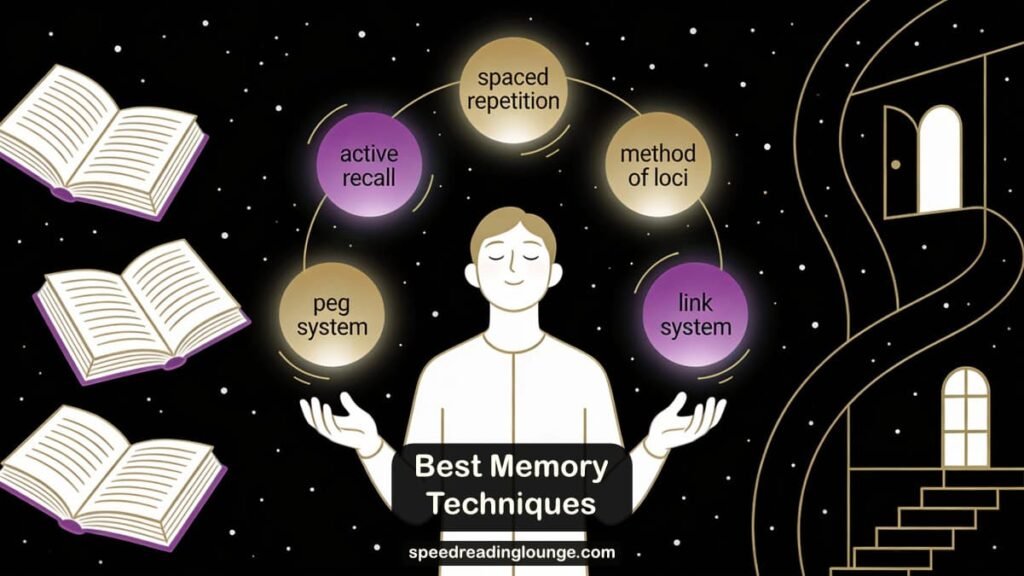
8. Memory Techniques Help Children Learn Faster
Memory improvement techniques can help children store and recall information more effectively.
Book Your FREE Demo Class
Fill this quick form — our team will email & call you back within 24 hours.
Some popular memory techniques include:
Mind Mapping
Mind maps organize information visually, making it easier for children to remember concepts and relationships.
Mnemonics
Mnemonics use patterns, abbreviations, or rhymes to help children remember information.
Example:
“VIBGYOR” helps remember rainbow colors.
Story Method
Connecting information through stories improves memory retention.
Association Technique
Children can connect new information with familiar objects or experiences to improve recall.
These techniques are widely used by memory champions and educational experts.
9. Healthy Nutrition Supports Brain Development
A healthy diet plays a crucial role in improving children’s memory and concentration.
The brain requires proper nutrients to function efficiently. Nutrient-rich foods improve mental performance, focus, and learning ability.
Best brain foods for kids:
- Almonds
- Walnuts
- Milk
- Eggs
- Green vegetables
- Fruits
- Fish rich in Omega-3
- Whole grains
Parents should also encourage children to drink enough water throughout the day, as dehydration can affect concentration and memory.
Avoid excessive junk food and sugary snacks because they may reduce energy levels and focus.
10. Skill Development Programs Build Overall Intelligence
Today’s education system is not limited to academic marks alone. Parents want children to become confident, creative, and skilled individuals.
Skill development programs help children improve:
- Communication skills
- Leadership abilities
- Confidence
- Creativity
- Public speaking
- Decision-making skills
Programs such as Abacus, Vedic Maths, Coding, Robotics, and Brain Development Classes provide children with practical learning experiences.
These programs also help children develop discipline, consistency, and self-confidence, which are essential for future success.
Why Brain Development Activities Are Important for Modern Kids
Modern education requires children to think creatively, solve problems quickly, and adapt to changing environments.
Brain development activities help children:
- Learn faster
- Improve memory retention
- Build concentration
- Increase confidence
- Perform better academically
- Develop social skills
Early brain training creates a strong foundation for lifelong learning and success.

Tips for Parents to Improve Kids’ Memory Naturally
Parents play the biggest role in shaping a child’s learning habits. Here are some simple ways parents can support brain development at home:
- Encourage reading habits
- Reduce unnecessary screen time
- Spend quality learning time together
- Promote physical activities
- Appreciate small achievements
- Create a distraction-free study environment
- Encourage curiosity and creativity
Positive encouragement boosts children’s confidence and motivates them to learn more effectively.
Conclusion
Improving memory power in kids requires a combination of healthy habits, brain exercises, skill development activities, and smart learning techniques.
Children learn best when education becomes interactive, creative, and enjoyable. Activities like Abacus training, visualization methods, coding, meditation, and memory exercises can significantly improve concentration and brain performance.
Every child has unique potential. With proper guidance and regular practice, children can become faster learners, stronger thinkers, and more confident individuals.
Investing in brain development today can help children build a brighter and more successful future tomorrow.
Frequently Asked Questions (FAQ)
1. How can I improve my child’s memory power naturally?
You can improve your child’s memory naturally through brain exercises, healthy nutrition, proper sleep, meditation, and activities like Abacus and puzzles.
2. Does Abacus really help in brain development?
Yes, Abacus training improves concentration, visualization, mental calculation, and memory retention by activating both sides of the brain.
3. Which foods are best for brain development in kids?
Foods like almonds, walnuts, eggs, milk, fish, fruits, and green vegetables support healthy brain function and improve concentration.
4. How does meditation help children focus better?
Meditation helps calm the mind, reduce stress, and improve attention span, making it easier for children to concentrate during studies.
5. Are coding classes useful for children?
Yes, coding classes improve logical thinking, creativity, problem-solving skills, and analytical abilities in children.
6. What are the best brain exercises for kids?
Puzzle games, chess, Sudoku, memory card games, and IQ activities are excellent brain exercises for improving memory and concentration.
7. Why do children lose concentration quickly?
Common reasons include excessive screen time, poor sleep, unhealthy diet, stress, and lack of engaging learning methods.
8. How much sleep does a child need for proper brain development?
Children between 6–12 years need around 9–12 hours of sleep daily for healthy brain function and memory retention.
🧠 Book a FREE Demo Class for Your Child
Abacus • Vedic Maths • Coding • Robotics • Memory Training — Ages 4 to 16, Online Classes Across India
💬 WhatsApp Us Now 💬 WhatsApp Us Now 📝 Enquire NowOr call us: +91 80946 42826 / +91 89497 08793