
Introduction
One of the most common concerns among parents today is:
“My child is intelligent, but not interested in studies.”
Children who once showed curiosity and excitement about learning sometimes become distracted, unmotivated, and unwilling to study Interested.
Parents often respond by:
- Increasing study hours
- Adding tuition classes
- Comparing children with others
- Creating more academic pressure
Unfortunately, these approaches often make the problem worse.
The truth is that most children are not born disinterested in learning Interested.
Children naturally love learning.
The challenge is that modern distractions, academic pressure, low confidence, weak concentration, and ineffective learning methods can reduce motivation over time.
The good news is that parents can help children rediscover the joy of learning.
At Brain Skool India, programs such as Abacus, Coding, Robotics, Vedic Maths, Memory Science, and Whole Brain Development are designed to make learning engaging while strengthening cognitive abilities Interested.
In this guide, we’ll explore practical strategies that can help your child become more focused, confident, and interested in studies Interested.
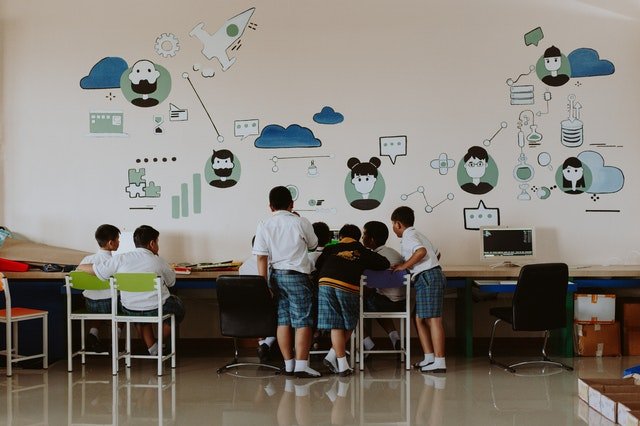
Why Children Lose Interest in Studies
Before solving the problem, it is important to understand the causes.
Common reasons include:
Lack of Concentration
Children struggle to stay focused.
Poor Memory
They forget what they learn.
Fear of Failure
Mistakes reduce confidence.
Excessive Screen Time
Entertainment becomes more attractive than studying.
Lack of Motivation
Children fail to see the purpose of learning.
Learning Difficulties
Weak foundational skills make learning frustrating.
Identifying the root cause is the first step toward improvement Interested.
Strategy #1: Focus on Learning, Not Just Marks
Many children associate studies with pressure.
Instead of constantly discussing grades, focus on:
- Understanding concepts
- Building curiosity
- Celebrating effort
Children who enjoy learning often achieve better results naturally.
Strategy #2: Create a Positive Study Environment
A dedicated study space can improve concentration significantly.
Tips:
- Keep the area organized
- Remove distractions
- Ensure proper lighting
- Maintain a regular routine
Consistency supports better learning habits.
Strategy #3: Improve Concentration First
Many children are labeled as lazy when the real issue is poor concentration.
Concentration is a skill that can be developed.
Activities that help include:
- Reading
- Brain games
- Memory exercises
- Abacus training
Programs focused on concentration and visualization can strengthen attention span over time Interested.
Strategy #4: Make Learning Interactive
Children learn best when they actively participate.
Instead of passive memorization:
- Use visual aids
- Ask questions
- Encourage discussions
- Explore practical examples
Interactive learning increases engagement and retention.
Strategy #5: Strengthen Memory Skills
Memory is one of the most important learning tools.
When children remember information easily, studying becomes less frustrating.
Benefits of strong memory include:
- Faster learning
- Better recall
- Increased confidence
- Improved exam performance
Learn more about cognitive skill development through:
👉 Brain Skool Student Programs
Strategy #6: Build Confidence Through Small Wins
Confidence grows through success.
Set achievable goals that allow children to experience progress.
Examples:
- Completing a chapter
- Solving a challenging problem
- Improving test scores
Small achievements create momentum Interested.

Strategy #7: Introduce Abacus Training
Abacus is not just about mathematics.
It helps children develop:
✔ Concentration
✔ Visualization
✔ Memory
✔ Mental Calculation Skills
✔ Confidence
These abilities support learning across multiple subjects.
Strategy #8: Encourage Reading Habits
Reading improves:
- Vocabulary
- Imagination
- Comprehension
- Communication Skills
Children who read regularly often perform better academically.
Strategy #9: Reduce Screen Distractions
Excessive screen time can interfere with focus and motivation.
Parents can:
- Set daily limits
- Create technology-free study periods
- Encourage offline activities
Balance is essential.
Strategy #10: Introduce Coding and Robotics
Coding and Robotics help children develop:
- Problem-Solving Skills
- Creativity
- Logical Thinking
- Innovation
These activities make learning exciting while preparing children for the future.
Explore available programs:
👉 Brain Skool Official Website
Strategy #11: Encourage Curiosity
Children learn best when they ask questions.
Parents can support curiosity by:
- Exploring new topics together
- Encouraging research
- Discussing ideas openly
Curiosity drives lifelong learning.
Strategy #12: Teach Goal Setting
Book Your FREE Demo Class
Fill this quick form — our team will email & call you back within 24 hours.
Children become more motivated when they have clear goals.
Help them set:
- Academic goals
- Reading goals
- Skill-development goals
Tracking progress builds motivation.
Strategy #13: Develop Future Skills
Success today requires more than academic knowledge.
Important skills include:
- Creativity
- Communication
- Leadership
- Adaptability
- Critical Thinking
Programs that develop these skills provide long-term benefits.
Strategy #14: Focus on Whole Brain Development
Balanced development of both hemispheres supports learning.
Left Brain
- Logic
- Analysis
- Mathematics
Right Brain
- Creativity
- Visualization
- Innovation
Whole Brain Development programs help children become stronger learners.
Strategy #15: Invest in Skill-Based Learning
The most effective way to increase interest in studies is to make learning easier.
When children improve:
- Memory
- Concentration
- Confidence
- Problem-Solving Ability
they often become more motivated naturally.
Skill-based learning supports both academic success and personal growth.
Why Parents Choose Brain Skool
Parents across India choose Brain Skool because it focuses on developing the skills behind academic success.
Programs include:
- Abacus Training
- Vedic Maths
- Coding Classes
- Robotics Programs
- Memory Science
- Whole Brain Development
- DMIT Assessments
- Phonics Programs
- Handwriting Improvement
These programs are designed to help children become confident learners and future-ready thinkers.
Frequently Asked Questions
Why is my child not interested in studies?
Common reasons include poor concentration, weak memory, low confidence, excessive screen time, and ineffective learning methods.
How can I motivate my child to study?
Focus on curiosity, skill development, achievable goals, positive reinforcement, and engaging learning experiences.
Does Abacus improve concentration?
Yes. Abacus helps strengthen concentration, memory, visualization, and mental calculation skills.
Are Coding classes useful for children?
Absolutely. Coding develops logical thinking, creativity, and problem-solving abilities.
How can I improve my child’s focus naturally?
Reading, brain games, memory exercises, structured routines, and skill-development programs can help improve concentration.

Conclusion
Children are naturally curious learners.
When learning becomes enjoyable, meaningful, and achievable, interest often returns.
By focusing on memory, concentration, confidence, and skill development, parents can help children build a positive relationship with learning.
The goal is not simply better marks.
The goal is creating confident, capable, lifelong learners who are prepared for future success.
🎯 Free Demo Class Available
Help Your Child Develop:
✅ Better Memory
✅ Stronger Concentration
✅ Greater Confidence
✅ Faster Learning Ability
✅ Future-Ready Skills
🌐 Website: Brain Skool India
📚 Student Programs: Brain Skool Student Training Programs
📞 Phone: +91 8094642826, +91 8949708793
📧 Email: brainskoolindia@gmail.com
🧠 Book a FREE Demo Class for Your Child
Abacus • Vedic Maths • Coding • Robotics • Memory Training — Ages 4 to 16, Online Classes Across India
💬 WhatsApp Us Now 💬 WhatsApp Us Now 📝 Enquire NowOr call us: +91 80946 42826 / +91 89497 08793