
Introduction
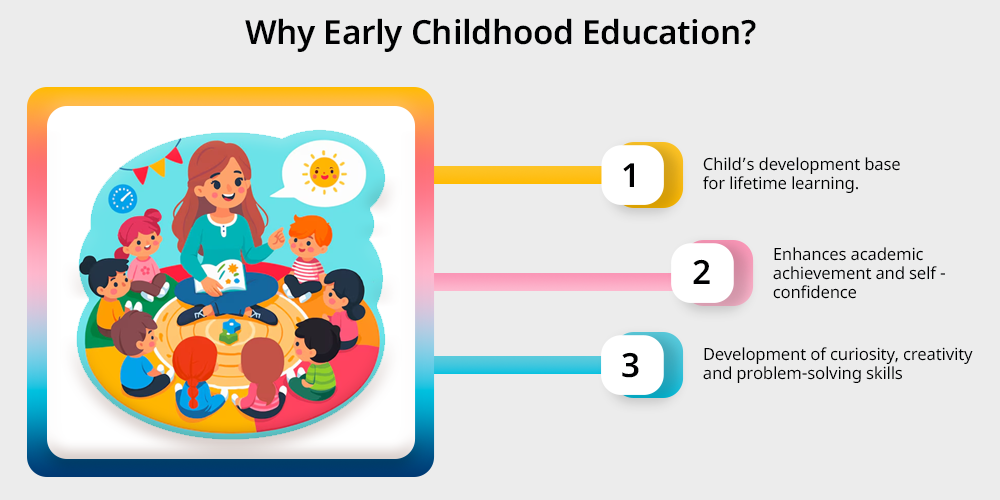
Early childhood education plays a vital role in shaping a child’s future. The first few years of a child’s life are the most important for brain development, learning abilities, and emotional growth. A strong foundation during this stage helps children become confident, creative, and successful learners early childhood education.
In today’s fast-changing world, parents are becoming more aware of the importance of quality early education. This blog will help you understand why early childhood education matters, its benefits, and the best activities to support your child’s growth early childhood education.
🌱 What is Early Childhood Education?
Early childhood education refers to the learning process of children from birth to around 8 years of age. It includes preschool, kindergarten, and primary education early childhood education.
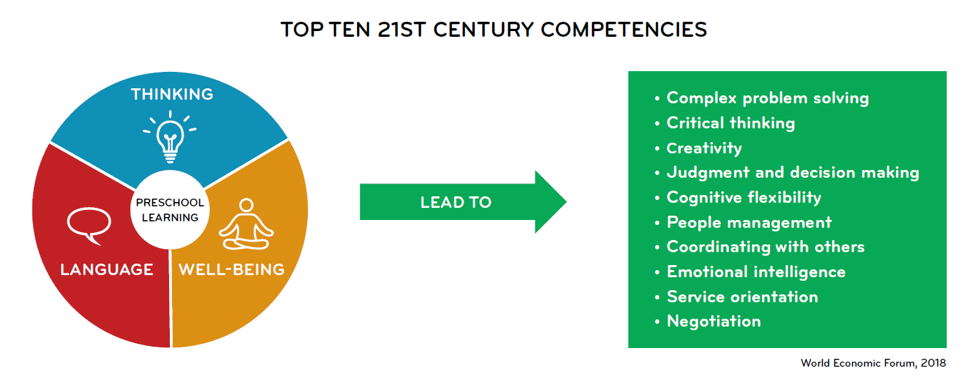
This stage focuses on the overall development of a child, including:
- Cognitive skills (thinking and learning)
- Social skills (interaction and communication)
- Emotional development
- Physical growth
⭐ Importance of Early Childhood Education
The early years are critical because a child’s brain develops rapidly during this time. Proper guidance and learning experiences can shape their personality and abilities early childhood education.
Key Reasons Why It Matters:
- Builds a strong learning foundation
- Improves social and communication skills
- Encourages curiosity and creativity
- Develops emotional intelligence
- Prepares children for formal schooling
🧠 Benefits of Early Learning for Kids
1. Better Brain Development
Children learn faster during early years. Activities like puzzles, storytelling, and games stimulate brain growth early childhood education.
2. Improved Social Skills
Kids learn how to share, communicate, and work in groups.
3. Emotional Growth
Children learn to manage emotions, build confidence, and develop independence.
4. Strong Academic Foundation
Early exposure to numbers, letters, and problem-solving improves school performance.
5. Increased Confidence
Children become more comfortable expressing themselves.
🎨 Best Learning Activities for Kindergarten Kids
🎵 1. Music and Rhymes
Songs and rhymes make learning fun and improve memory.
📚 2. Storytelling
Helps in language development and imagination.
🧩 3. Puzzle Games
Enhance problem-solving and logical thinking.
🎨 4. Art and Craft
Boost creativity and fine motor skills.
🏃 5. Physical Activities
Improve coordination and overall health.
🏫 Role of Schools in Child Development
Schools play a major role in shaping a child’s future. A good learning environment ensures children feel safe, engaged, and motivated early childhood education.
What a Good School Provides:
- Qualified and caring teachers
- Safe and clean environment
- Interactive learning methods
- Balanced curriculum
👩🏫 Role of Teachers
Teachers guide children through their learning journey and help them develop essential skills early childhood education.
Key Responsibilities:
- Creating engaging lesson plans
- Encouraging participation
- Supporting individual needs
- Building a positive classroom environment
👨👩👧 Role of Parents in Early Education
Parents are a child’s first teachers. Their involvement plays a crucial role in a child’s development early childhood education.
Tips for Parents:
- Spend quality time with children
- Encourage reading habits
- Limit screen time
- Support learning through play
📝 Tips to Choose the Best Kindergarten
- Check school environment and safety
- Look for experienced teachers
- Review curriculum and activities
- Focus on child-friendly teaching methods
- Read reviews and feedback
🌟 Conclusion
Early childhood education is the foundation of a child’s future success. With the right environment, activities, and support from parents and teachers, children can develop essential skills that last a lifetime.
Investing in early education is one of the best decisions you can make for your child’s growth and happiness early childhood education.
FAQ – Early Childhood Education & Kindergarten
1. What is early childhood education?
Early childhood education refers to the learning and development of children from birth to around 8 years of age. It focuses on building basic skills like communication, social interaction, and problem-solving.
Book Your FREE Demo Class
Fill this quick form — our team will email & call you back within 24 hours.
2. Why is early childhood education important?
It is important because it builds a strong foundation for a child’s future learning, improves social skills, and supports emotional and cognitive development.
3. What happens in a kindergarten morning routine?
A kindergarten morning usually includes greeting, circle time, learning activities, storytelling, playtime, and snack time to help children start their day positively.
4. What are the best activities for kindergarten kids?
Some of the best activities include storytelling, puzzles, art and craft, music, rhymes, and physical play, which help in overall child development early childhood education.
5. How can parents support early learning at home?
Parents can support early learning by reading with their children, encouraging play-based learning, maintaining a routine, and limiting screen time.
6. What skills do children learn in kindergarten?
Children learn basic academic skills like numbers and letters, along with social, emotional, and communication skills.
7. How to choose the best kindergarten for your child?
Look for a safe environment, qualified teachers, interactive curriculum, and positive reviews from other parents.
8. What is the ideal age for kindergarten admission?
The ideal age for kindergarten is usually between 3 to 5 years, depending on the school and curriculum.
9. How does play-based learning help children?
Play-based learning helps children develop creativity, problem-solving skills, and social interaction in a fun and engaging way.
10. What is the role of teachers in early childhood education?
Teachers guide children, create engaging learning environments, and support their emotional and academic growth.
Whole-Brain Development: The Brain Skool Approach
Brain Skool’s whole-brain development method combines abacus, vedic maths, memory science and activity-based learning so both left-brain (logic, calculation) and right-brain (imagination, visualisation) skills grow together. This NEP 2020-aligned approach is used by our partner schools across India and by thousands of parents whose children attend our online classes. The result parents report most often: better focus in school, faster homework, and much higher confidence.
Quick Facts
- Ages: 4-16, level-wise programs
- NEP 2020 aligned, certificate at every level
- Online across India + Jaipur centre
- Start with a free demo class
🧠 Book a FREE Demo Class for Your Child
Abacus • Vedic Maths • Coding • Robotics • Memory Training — Ages 4 to 16, Online Classes Across India
💬 WhatsApp Us Now 💬 WhatsApp Us Now 📝 Enquire NowOr call us: +91 80946 42826 / +91 89497 08793